A restaurant’s first impression begins before customers read the menu or speak to a server. They notice the entrance, the lighting, the dining area, and the condition of the windows. Fingerprints, grease marks, dust, and water stains can make an otherwise attractive space appear neglected. In contrast, clear glass creates a brighter and more welcoming atmosphere.
Restaurant window cleaning plays an important role in how guests perceive a dining establishment. Clean windows allow natural light to enter, improve outside visibility, and support the overall appearance of the premises. Although spotless glass cannot replace good food or attentive service, it contributes to the experience customers expect from a well-maintained restaurant.
For restaurant owners, window maintenance is more than a cosmetic task. It supports a professional image, complements daily cleaning routines, and helps keep customer-facing spaces presentable.
Windows are among the first features customers notice when approaching a restaurant. Large glass fronts showcase the dining area, while entrance doors often reveal fingerprints and smudges that affect the business’s appearance.
Although customers may not inspect every window, visible dirt can create an impression of poor maintenance. In contrast, clean glass makes the restaurant look cared for, professional, and welcoming.
Cafés and restaurants near busy roads face extra challenges from dust, vehicle emissions, and changing weather. Regular window cleaning helps maintain a consistent appearance, ensuring the entrance, dining area, and exterior reflect the same level of care.
Restaurant windows collect dirt from cooking activities, frequent customer contact, and outdoor exposure. Grease, dust, and other residues can gradually build up, making glass appear dull and difficult to clean with a quick wipe.
Entrance doors often develop fingerprints from constant use, while rainwater can leave mineral deposits. Outdoor dust also settles on window frames and sills, affecting the overall appearance of the premises.
Cleaning frequency should match the restaurant’s location, layout, and daily activity. Regular maintenance helps prevent stubborn buildup and allows staff to address recurring problem areas before they affect the restaurant’s professional image.
A restaurant’s appearance reflects its standards before customers experience the service. Clean windows complement tidy tables, polished floors, organised seating, and a well-maintained entrance, creating a consistent and professional impression.
For restaurants attracting walk-in customers, clear glass showcases the menu display, seating arrangement, and dining atmosphere. Regular window maintenance helps preserve this appeal between special occasions.
Staff can remove fresh fingerprints during routine cleaning, while deeper cleaning addresses stubborn residue and hard-to-reach areas. However, window care should complement, not replace, proper hygiene practices for tables, food-contact surfaces, washrooms, and food preparation areas.
Restaurant window cleaning requires methods suited to the glass, dirt, and surrounding environment. Interior windows collect fingerprints, food splashes, and grease, while exterior panes gather dust, exhaust residue, and rain marks.
Professional cleaners use suitable solutions, squeegees, and lint-free materials to remove dirt and reduce streaks. Tall windows and difficult-to-reach areas require proper equipment, trained personnel, and safety precautions.
Scheduling cleaning during quieter hours helps minimise disruption to customers and staff. For large glass fronts or hard-to-access panes, exterior window cleaning services can provide appropriate support. The cleaning plan should match the building’s layout and maintenance needs.
There is no single schedule that suits every restaurant. The right frequency depends on customer volume, cooking methods, the amount of glass, local weather, and proximity to roads or construction sites.
For example, a restaurant beside a busy road may experience faster dust accumulation than one in a sheltered courtyard. An establishment serving fried food may also notice grease residue on nearby interior glass more quickly.
A practical schedule can separate everyday attention from more thorough maintenance:
These are planning principles rather than fixed industry-wide intervals. Managers should review the results and adjust the schedule when windows become dirty sooner than expected.
Cleaning of Restaurant window budgets depends on glass area, building height, accessibility, dirt levels, and service frequency. A small café may have different needs from a restaurant with extensive floor-to-ceiling windows.
When comparing window cleaning services cost, owners should check what each service includes. Difficult access, stubborn grease, frame detailing, and safety requirements can affect pricing. Some services cover only glass, while others include frames, sills, and exterior panes.
Comparing similar service packages helps with budgeting. Although staff can handle basic interior cleaning, professional assistance may suit larger premises, stubborn buildup, and hard-to-reach windows without paying for unnecessary services.

Restaurants are not the only commercial spaces where clear glass matters. Retail stores, offices, gyms, and other customer-facing facilities also rely on clean windows to maintain a professional appearance.
However, their cleaning needs differ. Office window cleaning services may focus on reception areas, meeting rooms, partitions, and exterior glazing, while restaurants often face more fingerprints and food-related residue. Understanding these differences helps businesses choose appropriate maintenance routines.
For restaurants, glass care works best when it forms part of a broader facility maintenance plan. The schedule should account for staff responsibilities, customer traffic, cleaning products, and access restrictions. It should also avoid creating unnecessary interruptions during peak service hours.
A coordinated approach makes cleaning tasks easier to manage and helps the restaurant maintain a consistent appearance across the spaces customers see.
Customers often judge a restaurant through several small details rather than one defining feature. Clean glass supports that overall impression by making the premises look organised, welcoming, and ready for service.
For restaurant owners, the goal is not to make windows look perfect for a single day. It is to maintain a dependable standard that reflects the care put into the wider dining experience. Regular inspections, suitable cleaning methods, and a schedule based on actual conditions can make this easier to achieve.
At Clean Commercial Cleaning, we understand that a restaurant’s appearance matters throughout the customer journey. From the street-facing windows to the glass around the entrance, every visible detail contributes to how people experience your business.
Our commercial cleaning services are designed around different facility requirements, with attention to professional results, flexible scheduling, and appropriate cleaning methods. We work with businesses that need dependable support for maintaining clean, presentable spaces. Our window and glass cleaning service addresses windows, frames, and sills, helping keep these areas looking well maintained.
Whether you manage a café, restaurant, or larger commercial facility, restaurant window cleaning can complement your existing maintenance routine. Contact our team to discuss your requirements and find a suitable cleaning schedule for your premises.
Clean windows may seem like a small part of restaurant maintenance, but restaurant window cleaning can significantly influence first impressions. It allows natural light to enter the dining area, improves street visibility, and supports a consistent, professional appearance.
The most effective approach combines regular inspections, suitable cleaning methods, safe access practices, and a schedule that suits the restaurant’s environment. By making glass maintenance part of everyday facility care, restaurant owners can create a more inviting dining space while keeping their premises presentable throughout the year.
Clean windows create a welcoming appearance, improve natural light, and help customers view the restaurant as professional and well-maintained.
Cleaning frequency depends on customer traffic, cooking activities, weather, and nearby roads. Regular inspections help determine when cleaning is needed.
Cooking residue, airborne grease, fingerprints, vehicle emissions, and outdoor dust gradually build up, leaving glass dull and difficult to clean.
Yes, clear windows allow more natural light into the dining area, helping smaller spaces feel brighter, more open, and comfortable.
Costs depend on glass area, building height, accessibility, dirt levels, cleaning frequency, and whether frames and sills are included.
Professional cleaners use suitable equipment and techniques to remove stubborn residue, reduce streaks, and clean difficult-to-reach windows safely.
Services may include cleaning glass panes, removing fingerprints and dirt, and cleaning window frames and sills, depending on the agreed scope.
Staff can regularly wipe accessible glass, remove fresh fingerprints, inspect visible dirt, and report stubborn residue that requires deeper cleaning.
Employee performance depends on more than skills, management, technology, and workload. The physical workplace also plays a role. Employees spend several hours each day around desks, shared surfaces, meeting rooms, restrooms, and common areas. When these spaces are poorly maintained, distractions and discomfort can gradually become part of the working day.
This is where professional janitorial services can become relevant. Consistent workplace cleaning can help maintain an orderly environment where employees can focus on their responsibilities instead of dealing with avoidable cleanliness issues.
However, cleaning alone does not guarantee higher performance. Its value comes from creating conditions that support concentration, comfort, and workplace well-being.
A workplace sends continuous signals to the people using it. Cluttered surfaces, overflowing bins, dusty areas, stained carpets, or poorly maintained restrooms can make an office feel neglected. Conversely, a well-maintained environment can make everyday work feel more organised.
This does not mean employees automatically become more productive because a room has been cleaned. Performance is influenced by many factors, including workload, leadership, resources, job satisfaction, and workplace culture. Nevertheless, cleanliness can remove some of the physical distractions that make working comfortably more difficult.
Furthermore, employees often share spaces throughout the day. A meeting room may be used by several teams, while kitchens, entrances, elevators, and restrooms receive frequent traffic. Regular attention to these areas becomes particularly important because their condition can affect everyone’s experience of the workplace.
Employees naturally notice their surroundings. A desk surrounded by dust, overflowing waste containers, or visibly dirty shared areas can become a source of distraction. These issues may appear minor individually, but repeated exposure can affect how people perceive and use the workspace.
A consistent cleaning routine helps keep common areas orderly. As a result, employees can spend less attention on environmental problems and more on their actual tasks.
Comfort also matters when employees need to remain focused for long periods. Clean floors, work surfaces, restrooms, and frequently used areas contribute to a more pleasant environment.
Specifically, cleanliness becomes more noticeable when it is absent. Employees may tolerate small issues temporarily, but recurring problems can gradually affect workplace satisfaction. Maintaining basic standards consistently can therefore support a more comfortable daily experience.
Workplace cleanliness has a direct practical dimension beyond appearance. Professional janitorial services can help maintain frequently touched surfaces and shared facilities that receive regular use throughout the day.
This is particularly relevant in offices with high employee numbers or frequent visitors. A cleaning programme that considers traffic patterns can address areas according to how heavily they are used rather than treating every part of a facility identically.
However, cleaning should be viewed as one part of a broader workplace health and safety approach. Ventilation, maintenance, personal hygiene, waste management, and appropriate workplace policies also matter.
Consequently, businesses should avoid treating janitorial work as a substitute for wider workplace measures. Instead, it should complement them.
The biggest value of a cleaning programme is often consistency rather than occasional appearance-focused cleaning. An office can look impressive immediately after a major cleaning session, but that condition may not last when daily foot traffic resumes.
A regular schedule provides a more practical solution. Tasks can be planned around the building’s usage, including routine cleaning of work areas and shared spaces. Higher-traffic locations may require more frequent attention than areas that receive limited use.
For businesses considering janitorial services in Las Vegas, this distinction is important. The right programme should reflect the facility’s size, occupancy, operating hours, and specific cleaning requirements rather than relying on a generic schedule.
There is no universal cleaning routine that works equally well for every organisation. An office, medical facility, industrial warehouse, retail complex, education centre, and fitness facility can have very different cleaning requirements.
Offices often require attention to workstations, meeting rooms, entrances, kitchens, restrooms, and shared equipment areas. Cleaning schedules may also need to accommodate employees who work outside traditional hours.
Medical environments require greater attention to hygiene-sensitive areas and cleaning procedures. The approach must reflect the facility’s specific operational requirements rather than simply applying a standard office routine.
Warehouses and retail environments can experience substantial foot traffic and different types of dirt or debris. Floors, entrances, storage areas, and customer-facing spaces may therefore require targeted attention.
Schools, training centres, gyms, and similar spaces can involve frequent movement and shared-use areas. A planned routine helps keep heavily used sections maintained throughout regular operations.
This variation demonstrates why a janitorial cleaning service should be assessed according to the actual environment being maintained. The objective is not simply to clean more often. It is to clean the right areas with an appropriate level of consistency.
Choosing a cleaning provider should involve more than comparing service descriptions. Businesses should first identify what their workplace actually requires.
Start by considering the facility’s daily occupancy and busiest periods. Next, identify high-touch and high-traffic areas. Then consider which tasks need daily attention and which can be scheduled less frequently.
Communication is equally important. Cleaning requirements can change when a company expands, reorganises its workspace, hosts events, or changes operating hours. A provider should be able to understand those changes and adjust the programme accordingly.
Businesses should also ask about staff training, cleaning methods, communication processes, and quality expectations. These details can reveal whether the provider is prepared to manage an ongoing workplace requirement rather than simply complete isolated tasks.
The effectiveness of workplace cleaning should not be judged solely by how attractive the building looks immediately after service.
Instead, businesses can monitor practical indicators. Are restrooms consistently maintained? Are high-traffic areas receiving sufficient attention? Are employees repeatedly reporting the same cleanliness concerns? Do shared spaces remain usable during working hours? Are cleaning issues resolved promptly when they are identified?
These observations provide more useful information than appearance alone.
Furthermore, managers can review whether cleaning schedules continue to match actual workplace activity. If employee numbers increase or a facility begins operating for longer hours, the original schedule may no longer be sufficient.
No. It would be inaccurate to claim that cleaning directly causes measurable productivity increases in every workplace.
Employee performance is complex. A clean office cannot compensate for unrealistic workloads, poor management, inadequate equipment, or low employee engagement.
The more defensible conclusion is that cleanliness can help create supportive working conditions. It may reduce environmental distractions, improve everyday comfort, support workplace presentation, and contribute to a better employee experience.
Therefore, businesses should view cleaning as an operational foundation rather than a standalone productivity strategy.
A dependable cleaning routine should fit the way your business operates. Professional janitorial services can be structured around workplace size, traffic levels, operating schedules, and the areas that require the most attention.
At Clean Commercial Cleaning, we work with different commercial environments and tailor cleaning programmes to specific requirements. We combine trained professionals with technology-supported communication and provide services for offices, medical facilities, industrial warehouses, retail spaces, education centres, fitness facilities, and other workplaces.
We understand that your cleaning needs may change as your business changes. Our approach focuses on practical, flexible service rather than a single routine for every facility.
If you want a cleaning programme aligned with your workplace, contact us to discuss your requirements.
Cleanliness is not a substitute for good management or strong employee engagement. However, professional janitorial services can influence the conditions in which people work every day.
A consistently maintained workplace can reduce visible distractions, support comfort, improve shared-space usability, and contribute to a more positive employee experience. The key is consistency and relevance. Cleaning should reflect how a facility is actually used rather than follow an inflexible routine.
In conclusion, businesses should think beyond whether a workplace simply looks clean. The more important question is whether its cleaning programme supports a comfortable, organised, and functional environment for the people working there.
A commercial cleaning program can look straightforward from the outside. However, its effectiveness depends on several factors working together. The size of a workplace, level of activity, cleaning frequency, type of surfaces, environmental priorities, and ability to respond to changing requirements can all influence the results.
For businesses considering Cleaning services North Las Vegas, understanding these factors can make it easier to identify what a workplace actually needs. A program that works well for one commercial space may not be appropriate for another.
Effective cleaning is therefore not simply about how often a space is cleaned. It is about how well the cleaning approach matches the workplace.
The physical size of a workplace is an obvious consideration, but it is not the only one. How people use the space can be equally important.
A large office with limited daily activity may have different requirements from a smaller workplace with constant employee and visitor movement. Shared spaces, frequently used areas, and work zones can experience different levels of dirt and surface buildup.
Consequently, cleaning requirements should reflect actual workplace activity. A fixed routine may overlook areas that experience heavier use or allocate unnecessary attention to spaces with limited activity.
This is one reason customised commercial programs can be more practical. They allow cleaning requirements to be considered in relation to the specific workplace rather than applying identical tasks everywhere.
Cleaning frequency plays an important role in maintaining a commercial environment. While some workplaces need daily cleaning, others may function well with weekly or biweekly programs based on their specific needs.
The appropriate schedule depends on workplace activity, premises condition, and the type of cleaning required. Routine janitorial maintenance differs from deep cleaning, so both serve distinct purposes within a cleaning program.
Furthermore, occasional deep cleaning may be needed when regular maintenance cannot address accumulated dirt. Therefore, commercial cleaning services Las Vegas may combine recurring programs with one-time cleaning based on workplace requirements.
Not every surface should be cleaned in the same way. Floors, glass, carpets, upholstery, and other workplace materials have different maintenance requirements.
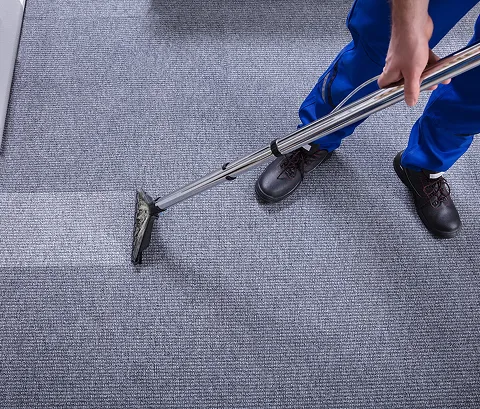
For example, carpet and fabric care may involve extraction, shampooing, or upholstery treatment. Glass cleaning requires attention to windows and frames. Floor maintenance may involve scrubbing, polishing, stripping, buffing, or waxing.
These differences matter because using a generic approach across every surface can overlook the specific care required.
Therefore, an effective cleaning program considers the materials present within the workplace and selects services accordingly. This helps businesses address both everyday maintenance and specialised cleaning requirements.
A key factor in effective commercial cleaning is whether the program can adapt to a business. Different workplaces have varying sizes, usage levels, surfaces, schedules, and specific cleaning requirements.
A standard approach may not address these differences effectively. Customisation allows businesses to select services based on their actual needs, such as regular janitorial maintenance, carpet care, window cleaning, or floor treatment.
Furthermore, recently completed construction projects may require a different cleaning sequence. This flexibility makes commercial cleaning Las Vegas NV more practical, as businesses can choose programs that correspond with their premises instead of following a standard package.
The effectiveness of a cleaning program also depends on the professionals carrying it out. Experienced teams understand that different workplace conditions and cleaning requirements call for different methods and levels of attention.
Routine janitorial work, floor treatment, carpet care, and post-construction cleanup each involve distinct requirements. Therefore, consistent performance is equally important, as a cleaning schedule only delivers value when agreed tasks are completed reliably.
Furthermore, experienced professionals can respond to specific client requests beyond a basic checklist. Consequently, workforce quality remains an important consideration alongside the range of services a cleaning provider offers.
The products used during cleaning are another factor businesses may consider.
Eco-friendly products can support a more environmentally conscious cleaning approach. This can be particularly relevant in workplaces where cleaning takes place regularly and employees spend significant time on the premises.
However, environmental considerations should work alongside cleaning effectiveness. A product choice should still be appropriate for the intended cleaning task and surface.
The objective is therefore to maintain a balance between effective workplace maintenance and responsible product use.
This approach gives businesses another factor to consider when assessing whether a cleaning program reflects their broader workplace priorities.
Routine cleaning cannot address every situation. Certain circumstances require specialised attention.
Post-construction cleanup, for example, can involve rough cleaning, final cleaning, and touch-up work. These requirements differ considerably from everyday office maintenance.
Similarly, deep cleaning provides a more thorough level of attention when routine cleaning is not sufficient. Carpet and fabric care addresses materials that require specialised treatment, while floor stripping, buffing, and waxing focus on specific flooring needs.
Disinfection and sanitation also serve a distinct purpose within a broader cleaning program.
The availability of these specialised services matters because businesses may need different forms of cleaning at different points in their operations.
Businesses can change over time as workplace activity increases, spaces are renovated, or certain areas require additional attention. A flexible cleaning program can adapt to these changing requirements more effectively than a rigid arrangement.
For instance, regular janitorial service can provide ongoing maintenance, while deep cleaning, specialised floor care, or post-construction cleaning can be added when specific circumstances arise. This adaptability helps keep the program relevant.
Therefore, businesses comparing commercial cleaning companies Las Vegas should consider flexibility alongside the provider’s service range and professional experience when assessing their cleaning requirements.
Several factors shape an effective commercial cleaning program. Workplace usage can influence frequency, while surface types determine cleaning methods. Health priorities, communication, professional experience, and customisation also affect overall results.
Therefore, Cleaning services North Las Vegas should be viewed as a complete workplace maintenance approach rather than simply a list of individual cleaning tasks. Each factor contributes to how well the program fits the business.
Businesses should consider their premises, daily activity, surface types, recurring requirements, specialised needs, and communication expectations. This helps them identify a cleaning arrangement that matches their actual workplace requirements and changing maintenance priorities.
The factors behind an effective cleaning program ultimately come down to fit. Your workplace has its own activity levels, surfaces, schedules, maintenance priorities, and expectations. We understand that a standard routine may not address all of them.
At Clean Commercial Cleaning, we build customised cleaning programs around different commercial requirements. Our services include janitorial cleaning, deep cleaning, post-construction cleanup, disinfection and sanitation, carpet and fabric care, window and glass cleaning, and floor stripping, buffing, and waxing.
We also focus on responsive communication, experienced professionals, and eco-friendly products. This allows you to consider cleaning as an ongoing part of workplace care rather than an isolated task. Talk with us to discuss a cleaning program suited to your workplace.
Effective commercial cleaning is shaped by more than cleaning frequency or the number of services available. Workplace size and usage, surface types, health priorities, professional experience, communication, environmental considerations, specialised requirements, flexibility, and long-term coordination all have a role.
When these factors are considered together, businesses can develop a cleaning approach that better reflects how their workplaces actually operate.
Ultimately, Cleaning services North Las Vegas are most useful when the program is built around the real conditions and requirements of the business. This creates a more practical foundation for maintaining clean, comfortable, and well-cared-for commercial spaces.
Workplace size, activity levels, surface types, schedules, maintenance priorities, and specialised requirements all influence which cleaning services and frequencies are most appropriate. Pasted markdown
Cleaning frequency depends on workplace activity, premises condition, and required services. Businesses may need daily, weekly, or biweekly janitorial programs based on their circumstances. Pasted markdown
Customisation accounts for differences in workplace size, usage, surfaces, schedules, and requirements, helping businesses avoid applying the same cleaning routine to every commercial space. Pasted markdown
Yes. Carpets, upholstery, glass, floors, and other materials require different approaches, including extraction, shampooing, window detailing, scrubbing, polishing, stripping, buffing, and waxing. Pasted markdown
Experienced professionals understand that janitorial work, floor treatment, carpet care, and post-construction cleanup involve different requirements, while reliable service supports consistent workplace maintenance. Pasted markdown
Yes. Flexible programs can accommodate increased activity, renovations, specialised cleaning needs, deep cleaning, additional floor care, or post-construction cleanup as workplace requirements evolve. Pasted markdown
Businesses should consider workplace activity, surface types, recurring and specialised requirements, professional experience, communication, flexibility, and how well the program matches their actual premises. Pasted markdown
Cleaning services North Las Vegas can provide a workplace-focused approach by considering size, usage, surfaces, frequency, specialised needs, flexibility, and maintenance priorities together. Pasted markdown
A clean workplace is about more than making desks, floors, and common areas look presentable. It can influence how employees experience their surroundings, how visitors perceive a business, and how well a space is maintained over time. This is where a professional cleaning service in Las Vegas can become an important part of workplace maintenance.
Different workplaces also have different cleaning requirements. An office, medical facility, warehouse, retail complex, or fitness club may not need the same cleaning routine. Consequently, a flexible approach can be more practical than using one fixed program for every location.
Professional cleaning also goes beyond visible dirt. Regular janitorial care can maintain everyday cleanliness, while deep cleaning can address accumulated grime, debris, old stains, and areas that are often overlooked.
A clean workplace creates a more organised setting for employees and visitors. However, its value is not limited to visual presentation.
The information provided by the company connects workplace cleanliness with productivity and employee motivation. When employees work in a cleaner environment, they can experience a more positive and comfortable setting.
Clean surroundings can also shape first impressions. A tidy office may present a more professional image to clients and visitors. Furthermore, maintaining a clean environment supports the broader goal of creating a healthy workplace.
There is also a maintenance benefit. Keeping a space in good condition can help reduce the need for certain refurbishment and additional cleaning expenses. Therefore, cleaning can be viewed as part of ongoing workplace care rather than an occasional cosmetic task.
Daily workplace conditions can change quickly. Employees use common areas, visitors come and go, and high-traffic sections often need continued attention. A regular janitorial program helps manage these everyday cleaning requirements and maintain a consistent workplace environment.
For businesses searching for commercial cleaning services near me, finding a service that fits their actual needs is important. Flexible schedules and tailored programs can accommodate different requirements, with janitorial services available through daily, weekly, or biweekly arrangements.
This approach suits various commercial settings. Office buildings, medical facilities, industrial warehouses, retail complexes, education centres, and fitness clubs can all have different cleaning needs. Customisable packages allow businesses to address those requirements accordingly.
Regular cleaning handles ongoing maintenance, but it does not always address every neglected area. Over time, dirt, debris, grime, and stains can accumulate in places that receive less attention. That is where deep cleaning has a different role.
A cleaning service in Las Vegas offering deep cleaning can address hidden corners and areas that regular routines may overlook. The service described on the webpage is intended for workplaces that need additional cleaning attention, including spaces that have not received thorough cleaning for an extended period.
Deep cleaning can also be useful when a workplace is already maintained but requires a more intensive cleaning session. High-traffic areas, for example, may develop ground-in dirt that ordinary cleaning does not fully address.
The service is also customizable. Businesses can identify areas that require greater attention while giving less emphasis to areas that are already adequately maintained. This makes the process more responsive to the actual condition of a workplace.
Every commercial space operates differently. The number of employees, layout, traffic levels, type of facility, and existing maintenance routine can all affect cleaning requirements.
For this reason, a standard package may not always be the most suitable arrangement. A customised program allows cleaning requirements to be considered according to the specific workplace.
This principle applies to both regular janitorial care and deeper cleaning. Businesses can choose programs that fit their needs and budget instead of approaching workplace maintenance as a one-size-fits-all task.
A flexible cleaning arrangement can also make communication easier. When businesses can explain specific requirements, the cleaning program can focus attention where it is most needed.
Professional cleaning brings trained workers and structured cleaning programs into the workplace. This can be particularly useful for businesses that do not want employees to manage extensive cleaning responsibilities themselves.
The company information highlights trained professionals, skilled workers, reliability, professionalism, and business ethics. It also describes the use of technology to support communication between businesses and cleaning teams.
An office cleaning service can therefore form part of a wider workplace maintenance plan. Regular cleaning keeps everyday areas in suitable condition, while specialised services can address particular requirements when they arise.
The combination of trained personnel and flexible programs also allows businesses to focus on their normal operations while cleaning responsibilities are handled separately.
Modern commercial cleaning does not necessarily mean replacing established cleaning practices with technology. Instead, technology can support communication and service management alongside traditional cleaning methods.
The website describes a combination of tradition and technology. It also mentions state-of-the-art software that allows businesses to communicate with cleaning teams more easily.
Experience remains another important factor. Clean Commercial Cleaning states that it has been providing cleaning services in the Las Vegas area since 2016. Its approach is based on understanding that workplaces have different maintenance requirements.
For businesses evaluating a commercial cleaning company, these factors can provide useful context. The focus is not simply on cleaning a space but on developing a program that matches the workplace.
A workplace may not need the same level of cleaning in every area. Some sections experience constant foot traffic and accumulate dirt more quickly, while others may only require routine maintenance. Deep cleaning can be introduced when regular care is no longer enough to address neglected areas.
Different property conditions can also call for specialised services. Carpet and fabric care covers extraction, shampooing, and upholstery cleaning. Window and glass cleaning includes washing and window-frame detailing, while floor care involves scrubbing, polishing, and coating.
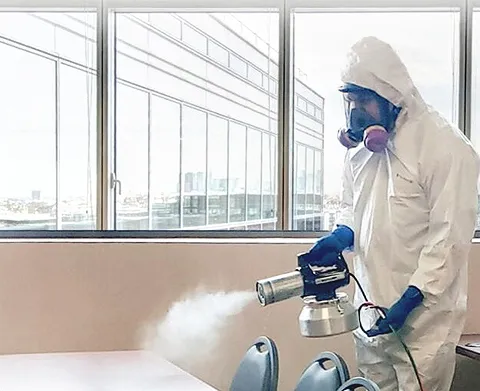
Other requirements may arise after construction or when additional sanitation is needed. Post-construction cleaning includes rough cleaning, final cleaning, and touch-ups, while disinfection and sanitation includes complete fogging disinfection. This allows businesses to address specific maintenance needs rather than relying on one cleaning routine.
The right cleaning arrangement depends on what a workplace actually needs. A business with an established routine may require regular janitorial support, while another location may first benefit from a thorough deep clean.
The condition of the workplace should guide the cleaning plan. Areas with accumulated grime may require additional attention, while regularly maintained sections can continue with routine care. A cleaning service in Las Vegas can provide professional support without treating every workplace in exactly the same way.
Customisable programs allow businesses to discuss specific requirements and adjust cleaning according to their space. Most importantly, workplace cleaning should support a clean, healthy, and professional environment without becoming unnecessarily complicated.
A professional cleaning program should reflect your workplace rather than force your space into a fixed routine. Clean Commercial Cleaning provides tailored cleaning programs, trained professionals, and flexible service options designed around different commercial cleaning requirements.
We understand that some workplaces need regular janitorial care, while others may need additional attention through deep cleaning or specialised services. You can communicate the areas that matter most and discuss a program that fits your requirements and budget.
From everyday workplace maintenance to deeper cleaning needs, we focus on helping you maintain a cleaner and healthier working environment. If your workplace needs professional attention, contact us to discuss your requirements and get started.
Workplace cleaning involves more than removing visible dirt. A cleaning service in Las Vegas can support regular janitorial care for everyday maintenance, while deep cleaning addresses accumulated grime, debris, stains, and overlooked areas.
A flexible approach can also make cleaning more relevant to different commercial environments. With trained professionals, customisable programs, and a range of specialised services, businesses can address their cleaning needs according to the condition and use of their workplace.
In conclusion, consistent cleaning helps businesses maintain spaces that are cleaner, healthier, and more professional. The right combination of routine and specialised care can make workplace maintenance a practical part of everyday operations.
A professional cleaning service can include regular janitorial care, deep cleaning, floor maintenance, carpet care, window cleaning, sanitation, and post-construction cleanup.
Cleaning frequency depends on workplace conditions and usage. Janitorial programs may be arranged daily, weekly, or biweekly according to specific business requirements.
Yes. Customised programs can address the size, condition, traffic levels, and specific areas of a workplace while fitting the business’s cleaning requirements and budget.
An office cleaning service helps maintain everyday workplace cleanliness through structured programs, trained professionals, and flexible cleaning arrangements suited to different office requirements.
Deep cleaning is useful when accumulated grime, debris, old stains, or overlooked areas require more thorough attention than regular workplace cleaning can provide.
Commercial cleaning services near me can support offices, medical facilities, warehouses, retail complexes, education centres, fitness clubs, and other commercial workplaces with varied requirements.
Businesses can consider trained professionals, reliability, responsive communication, flexible programs, quality-to-price value, eco-friendly products, and experience serving different commercial environments.
A commercial cleaning company can provide structured cleaning programs, trained professionals, specialised services, and flexible arrangements that help businesses maintain cleaner, healthier workplace environments.

Clean windows do more than improve the appearance of a commercial property. They affect how customers, employees, and visitors experience the space from the moment they arrive. Dust, marks, buildup, and neglected frames can quickly make an otherwise well-maintained facility look tired.
That is where commercial window cleaners become relevant. Professional cleaning keeps glass, frames, and sills looking presentable while supporting a cleaner overall workplace environment. For businesses, the value is not simply about having brighter windows. It is also about consistency, attention to detail, safety, and maintaining the appearance of the property over time.
Furthermore, clean windows complement wider maintenance efforts, helping workplaces look polished and cared for. This matters especially for commercial spaces welcoming customers, clients, employees, and visitors, where visible cleanliness shapes overall impressions.
Windows are among the most visible parts of many commercial buildings. Customers can notice dirty glass before they notice many other cleaning details. Fingerprints, dust, water marks, and accumulated grime can affect the appearance of entrances, storefronts, offices, and other customer-facing areas.
Furthermore, clean windows allow natural light to come through without the distraction of visible dirt. This can make a workplace feel better maintained and more welcoming.
For businesses that receive visitors regularly, this matters. A clean environment communicates attention to the details that customers can see. Consequently, window maintenance can become an important part of the property’s wider presentation rather than an isolated cleaning task.
Window cleaning is not limited to wiping the visible glass. A thorough service can also address the areas surrounding the glass, including frames and sills.
These areas can collect dust and debris over time. If they are overlooked, the windows may appear cleaner while the surrounding surfaces still look neglected. Specifically, detailed cleaning considers the window as a complete area rather than focusing only on the glass pane.
Experienced commercial window cleaners also understand that different commercial properties can have different requirements. A restaurant, retail store, gym, office, or other facility may have different schedules and priorities.
The supplied service information highlights advanced cleaning techniques, effective detergents, appropriate methods, and thorough inspection. This attention to the complete job helps ensure that the finished result meets the expected standard.
Commercial cleaning involves more than achieving a visibly clean result. The supplied information places strong emphasis on trained crews, experience, and health and safety compliance.
This is particularly important because commercial properties are working environments. Cleaning activities need to be carried out with care while allowing businesses to continue operating as smoothly as possible.
A professional window cleaner brings experience to the task and understands that preparation, suitable methods, and careful execution all contribute to the final result. For businesses, this can provide greater confidence than treating window cleaning as an occasional informal task.
The experience of the cleaning team also matters. The supplied window cleaning service states that local teams have more than 10 years of window cleaning experience and that crew members are trained and prepared.

There is no single cleaning requirement that applies equally to every commercial property. The nature of the business, building size, customer traffic, and existing maintenance arrangements can all influence what is needed.
For example, restaurant window cleaning can contribute to the appearance of a dining environment where customers see the property from both inside and outside. Retail businesses may place particular importance on presentation because storefront windows form part of the customer-facing space.
Gyms and other commercial facilities also benefit from maintaining a consistently clean environment. The important point is that window care should fit into the broader maintenance needs of the property.
This is why customized programs can be more practical than a one-size-fits-all arrangement. Businesses can discuss their requirements and establish a cleaning schedule that suits their facility.
Price is naturally part of any commercial maintenance decision. Yet comparing services only by the lowest quoted figure can leave important factors out of the assessment.
When considering window cleaning services cost, businesses may also want to look at what the service includes, how the work is performed, whether the schedule is flexible, and whether the completed work is inspected.
Fixed pricing can also make budgeting easier. The supplied service information specifically states that prices are fixed and that the company does not use bait-and-switch tactics. This creates a clearer basis for evaluating the service.
Value ultimately comes from the relationship between cost and the quality delivered. A reliable service that consistently meets expectations can be more useful to a business than an arrangement that appears inexpensive but produces inconsistent results.
Window cleaning sits within a larger commercial cleaning environment. Businesses may need janitorial programs, deep cleaning, disinfection and sanitation, carpet and fabric care, post-construction cleanup, or floor maintenance alongside window care.
Consequently, windows should not be viewed separately from the overall condition of a workplace. Clean glass can complement other maintenance work and help create a consistent impression throughout the facility.
The wider goal is a workplace that feels clean, safe, and properly maintained. This aligns with the broader focus of professional commercial cleaning, where services are designed around individual business requirements rather than a standard package applied to everyone.
Flexibility is especially useful when cleaning takes place in an active business environment. A facility may have operating hours, customer activity, staff requirements, or other considerations that affect when cleaning should happen.
Flexible booking allows businesses to choose a suitable date and time. This can make the process easier to manage and reduce unnecessary disruption.
Furthermore, personalized communication gives businesses an opportunity to explain specific requirements before work begins. A walkthrough can help representatives understand the space and provide a more accurate estimate.
The supplied process is straightforward: businesses can schedule a free walkthrough, receive an estimate, and then have professional crews carry out the selected service. Next, the completed work is inspected to ensure the job is finished properly.
Reliability means more than simply arriving on time. It involves understanding your requirements, arriving prepared, completing the work carefully, and responding to specific requests. Experienced professionals, clear communication, flexible programs, and attention to customer satisfaction can make commercial cleaning more dependable.
For business owners and property managers, a consistent cleaning program can simplify routine upkeep. Instead of arranging separate cleaning tasks repeatedly, you can maintain a suitable schedule that adapts to your property’s changing needs.
Regular maintenance also helps keep windows looking consistently clean and prevents visible buildup. Thorough inspections can identify areas needing attention, ensuring the finished work supports the property’s overall appearance and maintenance standards.
If your workplace needs reliable window care, we can tailor the service around your facility and requirements. Clean Commercial Cleaning provides commercial window cleaning in the Las Vegas area, with trained teams, flexible bookings, fixed pricing, and a complete clean guarantee.
We focus on more than the glass itself. Our service covers windows, frames, and sills, while our teams use effective techniques, detergents, and methods to achieve a thorough result. You can also request a free walkthrough or estimate by phone.
We understand that every workplace operates differently. You can discuss your needs with our team and choose a suitable schedule without committing to a one-size-fits-all approach. Commercial window cleaners can become part of a dependable maintenance routine rather than an occasional task. Contact us today for a free estimate.
Commercial window cleaning is an important part of maintaining a professional workplace. Working with commercial window cleaners can help keep glass, frames, and sills looking clean and well maintained, creating a more complete result.
However, quality depends on more than appearance. Experienced teams, safe working practices, flexible scheduling, clear pricing, and thorough inspection all contribute to a dependable service.
For businesses, the most useful window cleaning arrangement is one that fits the property and works alongside its wider maintenance needs. When these factors come together, window care becomes a practical part of maintaining a clean, healthy, and welcoming commercial environment.
Commercial window cleaning can cover glass, frames, and sills. Thorough cleaning uses effective techniques and detergents to maintain a clean, presentable appearance.
Clean windows improve a property’s visible appearance and create a more welcoming impression for customers, employees, visitors, and clients entering or using the workplace.
Businesses can establish suitable cleaning schedules based on their facility’s needs. Regular maintenance helps prevent visible buildup and supports a consistently well-maintained appearance.
Consider service coverage, cleaning methods, trained professionals, safety practices, scheduling flexibility, pricing, communication, and whether completed work receives a thorough inspection.
Yes. Cleaning programs can be adapted to individual facility requirements, operating considerations, customer activity, and maintenance priorities rather than following a one-size-fits-all approach.
Safety matters because cleaning takes place within active commercial environments. Trained crews and health and safety practices help ensure cleaning is completed responsibly and carefully.
Clean windows complement janitorial, deep cleaning, disinfection, carpet care, post-construction cleanup, and floor maintenance, helping create a consistently clean and properly maintained workplace.
Businesses can discuss their specific requirements, preferred schedule, and facility needs with the cleaning team. Flexible booking helps make window maintenance easier to manage.

A construction project may be complete, but the property is not necessarily ready for handover. Dust can settle on fittings, debris may remain in corners, and windows can carry adhesive marks or construction residue.
That is why post construction cleanup should be treated as a final project stage rather than a quick sweep before the client arrives. A proper cleanup checks the entire property systematically and prepares each area for inspection, occupancy, or presentation.
Furthermore, the work should address both visible dirt and less obvious residue left behind by contractors. The goal is not simply to make the building look cleaner. It is to leave the space usable, presentable, and free from construction-related remnants.
Handover is often the point when the completed property is judged as a finished product. Small cleaning defects can therefore become surprisingly noticeable.
A dusty floor, marked window, dirty grout line, or adhesive-covered fixture can affect how the entire property is perceived. Consequently, cleaning should happen with the same attention to detail given to the construction itself.
There is also a practical reason for completing the work properly. Construction dust can settle across multiple surfaces and may remain airborne when disturbed. Removing it thoroughly helps create a cleaner environment for workers, occupants, visitors, and clients.
A professional post construction cleaning process also allows the cleaning team to identify areas that may have been overlooked during normal construction activity.

A complete cleanup should move systematically through the building instead of focusing only on obvious areas. Each surface requires an appropriate method based on its material and condition.
Floors often collect layers of fine dust, dirt, grout residue, packaging material, and other construction debris.
Hard floors should be swept or vacuumed before deeper cleaning. Grout lines may require additional scrubbing where construction material has accumulated.
The method should also reflect the flooring type. Aggressive products or unsuitable equipment can damage newly installed surfaces. Therefore, cleaners need to understand the material before applying chemicals or mechanical cleaning methods.
Newly completed properties frequently have dust and marks on glass surfaces. Window frames can also collect fine particles during construction.
Cleaning should cover the glass, frames, edges, tracks, and accessible surrounding areas. Adhesive or protective-film residue may require suitable products rather than excessive scraping.
Clean glass is particularly important during handover because natural light can make streaks and remaining marks highly visible.
Bathrooms require detailed attention because newly installed fixtures can collect construction dust and residue.
Sinks, toilets, showers, faucets, counters, mirrors, tiles, and surrounding floors should be cleaned carefully. Grout and joints deserve additional inspection because fine debris can remain trapped in these areas.
Fixtures should also be checked for adhesive marks, fingerprints, dust, and other installation-related residue.
Walls may appear clean from a distance while still carrying fine dust. Cleaning should therefore include accessible wall surfaces, ledges, fittings, and other areas where particles naturally settle.
Depending on the project, the scope may also extend to furniture, fabric surfaces, wall hangings, and installed furnishings.
The important point is to use appropriate cleaning techniques. Newly finished surfaces may be more vulnerable to scratching, staining, or chemical damage than older commercial surfaces.
A property may need more than one cleaning visit before it is genuinely ready for handover. Construction activity itself can determine the appropriate timing.
Rough cleaning removes construction dust, debris, rubbish, adhesives, and leftover materials during active work, preventing buildup while maintaining a cleaner, safer, more manageable jobsite.
Final cleaning prepares the completed property for handover by inspecting and polishing floors, windows, bathrooms, fixtures, walls, and furnishings. post construction cleanup ensures the space feels finished and occupancy-ready.
Touch-up cleaning removes dust, marks, packaging, and debris left by vendors after final cleaning, ensuring areas affected by repairs, installations, or finishing work are ready for handover.
Construction residue is more than ordinary dirt. Different materials may require specialised products, equipment, and techniques to remove dust, debris, and adhesive safely without damaging finished surfaces.
Fine dust can settle on furniture, sanitary fixtures, fittings, tile floors, and hard surfaces. Adhesive residue also needs careful removal. Therefore, post cleaning construction work should consider each surface’s condition and material.
Safety is equally important during cleanup. Construction sites may contain unfinished areas, tools, equipment, elevated surfaces, sharp debris, and other hazards. Experienced cleaners can adjust their methods accordingly while following suitable safety practices and keeping the property ready for handover.
Cleaning should finish with an inspection rather than stopping when the equipment is packed away.
A useful inspection should look at the property from the perspective of the person receiving it. Walk through each room and check visible surfaces under normal lighting.
Pay particular attention to:
Consequently, inspection becomes a quality-control step rather than simply another cleaning task.
If a vendor has returned after the final clean, those areas should be checked again before handover.
Larger and more complex properties can make it difficult for internal teams to identify every cleaning requirement. Offices, retail spaces, and renovated buildings often contain varied surfaces and extensive residue.
Managing cleanup alongside final construction activities can also increase pressure on contractors and property teams. Dust, debris, and marks may appear across different areas as multiple trades complete their work at different stages.
Post construction cleaning services provide specialised equipment, trained labour, experience, and a structured approach to completing the transition. Professional support is particularly valuable when deadlines are tight, client presentations are approaching, or several contractors have worked throughout the property.
The property’s final condition can shape the handover experience as much as construction quality. A thorough post construction cleanup removes dust, debris, residue, and marks from finished surfaces.
Attention should cover floors, windows, bathrooms, fixtures, furnishings, and other accessible areas. However, timing matters too. Each cleaning stage serves a different purpose throughout the project.
Rough cleaning controls mess during construction, while final cleaning prepares the completed property for presentation or occupancy. Touch-up cleaning then removes dust, marks, and debris created by contractors returning afterward.
At Clean Commercial Cleaning, we understand that handover requires more than making a property look tidy. We provide post construction cleanup with suitable equipment, experienced crews, and a detailed approach covering surfaces, floors, windows, fixtures, furnishings, and construction residue.
We can also adapt the cleaning program to your property’s requirements, budget, schedule, and safety considerations. Our team focuses on thorough inspection so you can approach the handover with greater confidence.
If your project is approaching completion, contact us to discuss your cleaning requirements and request a free estimate.
Property handover should represent the completion of the entire project, including its final cleaning details. A thorough post construction cleanup ensures dust, debris, stains, adhesive residue, and other construction remnants are removed before clients or occupants enter the space.
A properly cleaned property looks finished, feels ready for use, and creates a stronger first impression. More importantly, systematic cleaning addresses overlooked areas such as corners, fixtures, floors, windows, bathrooms, and other surfaces where fine construction dust can settle.
By combining rough, final, and touch-up stages with careful inspection, property owners and project teams can make the transition from construction site to finished space far smoother. This approach also helps identify remaining issues before the final handover and reduces last-minute cleaning concerns.
There are many variations of passages of Lorem Ipsum available, but the majority have suffered alteration in some form, by injected humour, or randomised words which don’t look even slightly believable. If you are going to use a passage of Lorem Ipsum, you need to be sure there isn’t anything embarrassing hidden in the middle of text. All the Lorem Ipsum generators on the Internet tend to repeat predefined chunks as necessary, making this the first true generator on the Internet. It uses a dictionary of over 200 Latin words, combined with a handful of model sentence structures, to generate Lorem Ipsum which looks reasonable. The generated Lorem Ipsum is therefore always free from repetition, injected humour, or non-characteristic words etc.
Contrary to popular belief, Lorem Ipsum is not simply random text. It has roots in a piece of classical Latin literature from 45 BC, making it over 2000 years old. Richard McClintock, a Latin professor at Hampden-Sydney College in Virginia, looked up one of the more obscure Latin words, consectetur, from a Lorem Ipsum passage, and going through the cites of the word in classical literature, discovered the undoubtable source. Lorem Ipsum comes from sections 1.10.32 and 1.10.33 of “de Finibus Bonorum et Malorum” (The Extremes of Good and Evil) by Cicero, written in 45 BC. This book is a treatise on the theory of ethics, very popular during the Renaissance. The first line of Lorem Ipsum, “Lorem ipsum dolor sit amet..”, comes from a line in section 1.10.32.
It is a long established fact that a reader will be distracted by the readable content of a page when looking at its layout. The point of using Lorem Ipsum is that it has a more-or-less normal distribution of letters, as opposed to using ‘Content here, content here’, making it look like readable English. Many desktop publishing packages and web page editors now use Lorem Ipsum as their default model text, and a search for ‘lorem ipsum’ will uncover many web sites still in their infancy. Various versions have evolved over the years, sometimes by accident, sometimes on purpose (injected humour and the like).

Lorem Ipsum is simply dummy text of the printing and typesetting industry. Lorem Ipsum has been the industry’s standard dummy text ever since 1966, when designers at Letraset and James Mosley, the librarian at St Bride Printing Library in London, took a 1914 Cicero translation and scrambled it to make dummy text for Letraset’s Body Type sheets. It has survived not only many decades, but also the leap into electronic typesetting, remaining essentially unchanged. It was popularised thanks to these sheets and more recently with desktop publishing software like Aldus PageMaker and Microsoft Word including versions of Lorem Ipsum.
