Construction or renovation work often ends with visual satisfaction, but the real risks remain hidden beneath the surface. Many property owners assume post-construction cleaning means removing visible dust and debris only. In reality, construction sites leave behind microscopic hazards, chemical residues, and safety threats that ordinary cleaning cannot resolve.
These hidden dangers can affect health, indoor air quality, and long-term property condition if ignored. Understanding what truly remains after construction helps explain why detailed post-construction site cleaning matters more than most people realize.
Post Construction Residue beyond Visible Dust
After construction work finishes, fine particles settle into corners, vents, and surfaces you may never inspect closely. These residues include materials far more harmful than everyday household dust.
Drywall particles, silica dust, insulation fibers, and cement residue remain suspended long after visible debris disappears. These substances easily become airborne again through walking, ventilation, or temperature changes.
Construction dust behaves differently from everyday dust due to its size and composition. Microscopic particles can bypass basic cleaning tools and settle deep into soft furnishings, HVAC systems, and wall textures.
Over time, these particles continue circulating indoors, creating persistent exposure risks.
Airborne Particles And Indoor Air Quality Risks
One of the most overlooked hazards after construction is compromised indoor air quality. Fine construction dust remains airborne for weeks if not properly removed.
When inhaled, these particles can irritate the respiratory system and trigger long-term health concerns. Therefore, you need to consider post-cleaning construction to avoid airborne risks.
Common airborne risks include:
- Silica dust from concrete and tiles is known to cause lung irritation.
- Fiberglass insulation fibers that irritate skin and airways.
- Sawdust particles that trigger allergies and asthma symptoms.
Standard vacuuming or surface wiping does not capture these fine particles effectively. Without specialized filtration and thorough cleaning, indoor air remains unsafe for occupants, especially children and elderly residents.
Chemical Residues from Construction Materials
Construction introduces various chemicals into indoor environments that remain unnoticed after completion. Adhesives, sealants, paints, varnishes, and solvents release chemical residues and odors.
These materials often emit volatile organic compounds long after application finishes.
Chemical residues settle on surfaces, inside cabinets, and on flooring materials. Prolonged exposure can cause headaches, nausea, eye irritation, and fatigue. Poor ventilation worsens these effects, making professional-grade cleaning essential after major construction projects.
Sharp Debris And Physical Safety Hazards
Post-construction areas often contain sharp fragments that pose injury risks even after basic cleaning. Nails, glass shards, metal splinters, and tile fragments frequently hide under furniture, behind fixtures, or inside carpets.
These hazards can cause:
- Foot injuries from hidden sharp objects.
- Damage to flooring and furniture over time.
- Safety risks for children and pets exploring new spaces.
Thorough inspection and debris removal prevent accidents and ensure the space becomes truly livable instead of visually complete only.
Electrical As Well As Fire Hazards Left Behind
Construction debris not only threatens health; it can create fire and electrical risks. Dust accumulation near electrical outlets, switchboards, and wiring increases fire hazards significantly. Sawdust and insulation fibers are highly flammable when exposed to electrical sparks or overheating components.
Uncleaned construction areas may also block ventilation around electrical systems, causing overheating. Proper post-construction cleaning ensures these areas remain clear, reducing potential fire risks within newly completed spaces.
HVAC Contamination Along with Long-Term Impact
Heating, ventilation, and air conditioning systems often become silent victims of construction activity. Dust and debris easily enter ductwork during renovation or building processes.
Once inside, these particles circulate throughout the property whenever the system operates.
Contaminated HVAC systems cause recurring dust problems, unpleasant odors, and increased maintenance costs. They also distribute allergens continuously, undermining indoor air quality despite surface-level cleanliness.
Cleaning vents, filters, and accessible duct areas becomes critical after construction concludes.
Surface Damage from Improper Cleaning Methods
Attempting quick post-construction cleanup without proper methods often causes surface damage. Construction residue contains abrasive particles that scratch floors, countertops, and fixtures when wiped incorrectly. Improper cleaning chemicals may also react with new finishes, thus causing discoloration or dullness.
Different surfaces require specific cleaning approaches:
- Natural stone reacts poorly to acidic cleaners.
- Hardwood flooring scratches easily from grit residue.
- Glass surfaces develop permanent marks from cement dust.
Understanding material-specific care prevents costly repairs and preserves the quality of new installations.
Mold And Moisture Risks after Construction
Construction activities frequently introduce moisture into buildings through plastering, tiling, painting, and concrete curing. If moisture remains trapped, it creates ideal conditions for mold growth.
Mold often develops behind walls, under flooring, or inside cabinets where airflow remains limited. Early mold growth may not be visible immediately, but it causes long-term indoor air contamination.
Therefore, proper post-construction cleaning includes moisture checks and thorough drying to reduce the risk of hidden mold formation.
Why Regular Cleaning Falls Short After Construction?
Many people rely on regular household cleaning services after construction, expecting similar results. However, standard cleaning focuses on maintenance, not hazard removal.
Household tools lack the filtration power and reach needed for post-construction residue. Regular cleaning often:
- Misses microscopic dust particles.
- Spreads fine debris instead of capturing it.
- Ignores hidden areas like ducts, fixtures, and corners.
After construction, cleaning requires a deeper, systematic approach designed to eliminate contaminants rather than mask them temporarily.
Health Implications of Skipping Deep Cleaning
Ignoring thorough post-construction cleaning exposes occupants to prolonged health risks. Continuous inhalation of fine particles may worsen allergies, asthma, and respiratory conditions.
Chemical residues can cause chronic discomfort and reduced concentration levels. Long-term exposure increases the likelihood of:
- Persistent coughing or throat irritation.
- Eye and skin sensitivity.
- Sleep disturbances caused by poor air quality.
Creating a safe living or working environment requires addressing these risks proactively rather than reacting after symptoms appear.
The Role of Professional Expertise in Hazard Removal
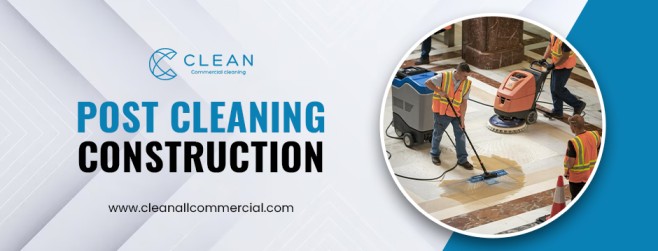
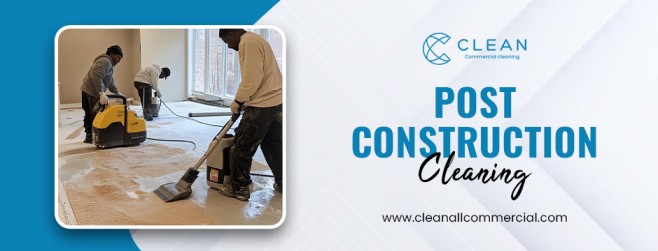
Post-construction cleaning services involve more than time and effort; they require knowledge of hazards and correct removal techniques. Trained professionals understand where contaminants hide and how to remove them safely without damaging new installations.
Professional teams use industrial-grade equipment, specialized vacuums, and appropriate cleaning agents. Their systematic process ensures no area remains overlooked, from ceilings and vents to floors and fixtures.
What Does A Comprehensive Post-Construction Cleaning Cover?
A detailed cleaning process after the construction typically addresses:
- Fine dust removal from all surfaces and air systems.
- Safe disposal of hazardous debris and materials.
- Sanitization of frequently touched areas.
- Protection of new finishes through proper cleaning methods.
This approach transforms construction sites into healthy, usable spaces instead of visually clean but hazardous environments.
Long-Term Benefits of Proper After-Construction Cleaning
Investing in thorough cleaning delivers long-term advantages beyond immediate comfort. Clean environments preserve material integrity, reduce maintenance costs, and support occupant well-being.
Proper cleaning also ensures compliance with safety standards for commercial spaces.
Well-cleaned properties feel fresher, function better, and maintain value longer. Addressing hidden hazards early prevents costly issues from emerging months after project completion.
So, if you have a construction site, contact Clean Commercial Cleaning for the best cleaning services.
Final Thoughts
Post-construction cleaning is not a cosmetic task completed for visual satisfaction alone. It addresses hidden hazards that affect health, safety, and long-term property performance. Dust, chemicals, moisture, and debris left behind pose real risks if ignored.
Treating construction cleaning as a critical final step ensures spaces become genuinely safe and comfortable. True cleanliness begins where visible dust ends, protecting both people and property for years ahead.